A walk and a coathanger accountant

Part 2 of the Glen Affric Blogs.

See here for Part 1. 


Morning dawned grey and damp. The cloud sat along the base of the hills about a ten minute walk from the youth hostel.

“We could always do just the one Munroe and see how we feel” said Jo.


“There’s bound to be a cloud inversion with blazing sun on the summits” said I, ignoring all possibilities that we would do less waking than we had committed to when we were planning the trip.


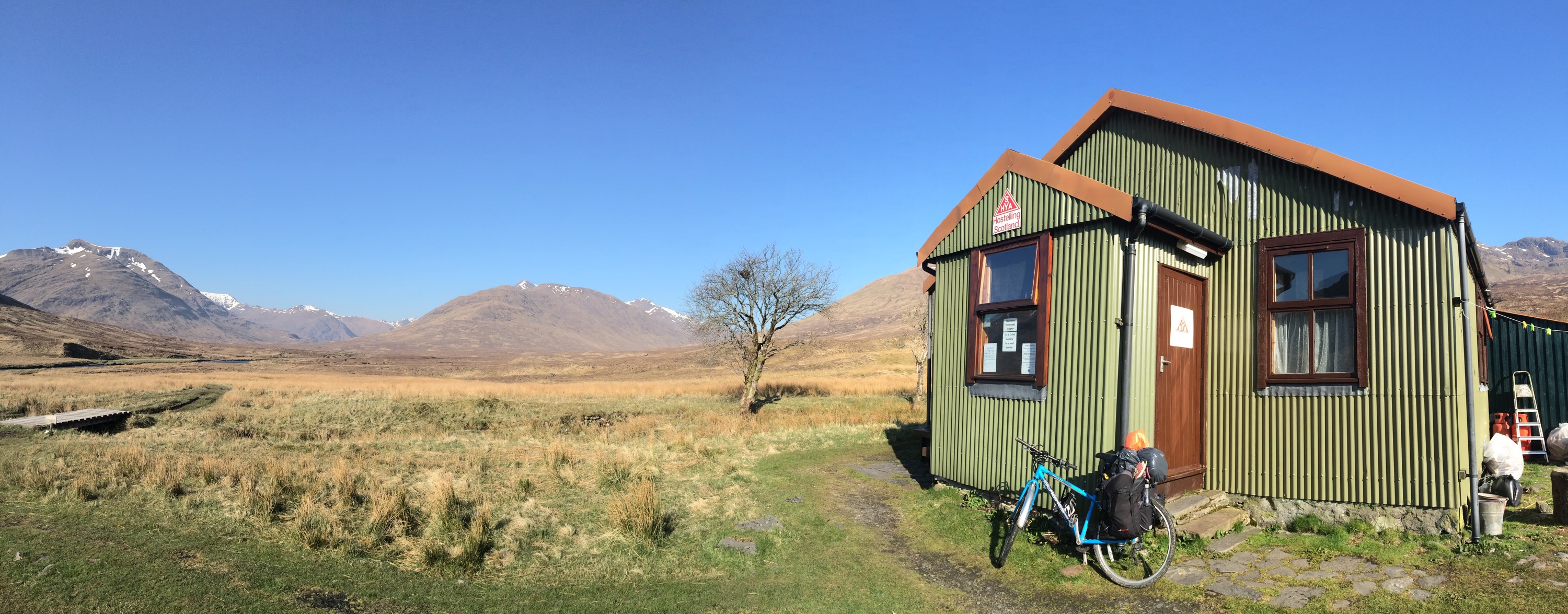
We got packed up and headed off, straight up the back of Glen Affric hostel on an excellent path. A couple of men had arrived late and pitched their tent between the main military green corrugated iron hostel and the nearby dorm. They were finishing their packing and headed up just after us with enormous rucksacks. Their plan was to do a few Munros and sleep high, then complete the set the next day. Our plan was to do the same but return to the comfort of the youth hostel for the night.

  Despite my natural inclination to conversation and chat, my plans for the trip had been a quiet, contemplative pacing the hills to free the mind of clutter. This clutter had accumulated during a long period of being over-busy, over-stressed and not having enough visits to the wide open spaces of the hills. Jo, my long-suffering walking companion, on the other hand, sees long walking trips as a chance for lots of chat and catching up. So once we fell into step with the other two walkers (there was no getting away from them, I tried an onslaught of speed but I slowed eventually and they caught up) Jo was in her element, chatting away.


As we traversed the peat hags, just before the final ascent to the coll I overheard the conversation that one of them had driven from Essex via Warrington to pick up the other and then straight through to Glen Affric – and I had thought we’d been in the car for ever coming up from Glasgow.


‘What do you do in Essex?” I asked “I am an accountant in a firm that sells coat hangers” he said.

Well. What do you say to that? I’d never before had the opportunity to make conversation with an accountant from Essex working for a firm selling coat hangers.


“Erm. Do you like it?” I asked

“No I hate it but l can’t leave” he said.

I asked him why not and he told me about the generous benefits that he gets with the role.

“I get free petrol for my own use, as well as work” he said triumphantly, “it helps when you love the mountains so much and you live in Essex”.

No doubt, I thought, but then immediately wondered why he didn’t just leave the job and move to Scotland which would, at once, solve both of his problems. “We get as many free coat hangers as we want too” he continued.


But I wasn’t in a life coaching mood, I had come to find wildness and I couldn’t get to wildness until people and chat and the stuff of civilization, especially thoughts about coat hanger manufacture, were left behind.


We continued on our separate way when we reached the coll and the day began.


The sun started to shine through as we reached the top of the first Munro, An Socach. A misty brightness, as if the light was within the cloud around us. Directly above we could make out a pale, chalky blue but the sun couldn’t burn though to reach us. I imagined that, with another 10m of altitude we’d be in broad sunshine looking down all around us on a sea of cloud with a few of the tallest mountains poking through.


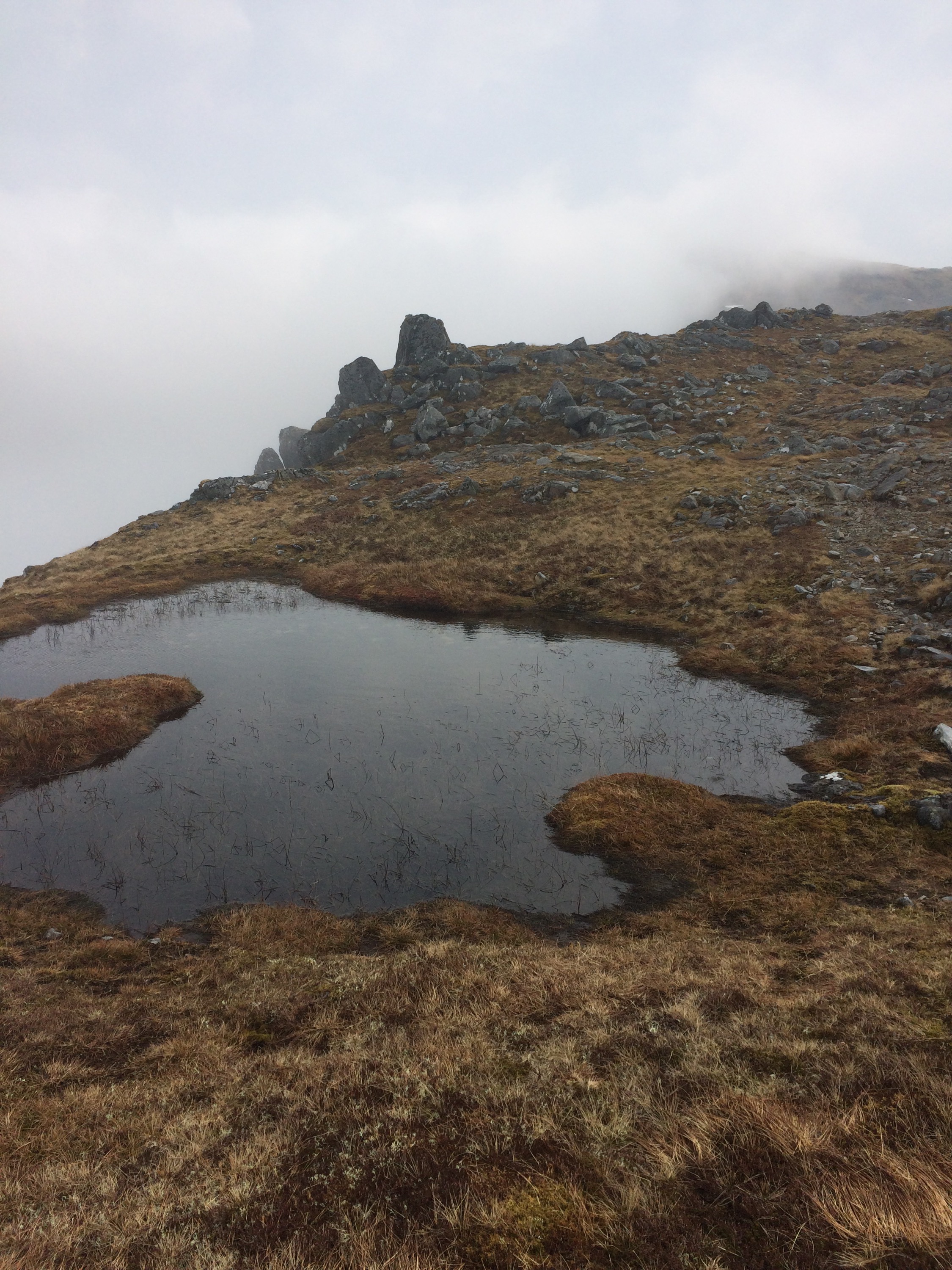
Munro number one done, we wandered down the gentle broad ridge to a coll littered with small peaty-black pools. The two mountains beyond were behind a couple of smaller peaks, and Jo had started talking about possibly fitting in a fourth, Beinn Fionnlaidh, which was utterly miles away.

 I was happy though. The path rose at a comfortable angle across the slope and the sun kept breaking through. We even had a bit of phone contact with the outside world for the first time since stopping in Beauly for lunch. (Where Jo had spent part of the meal whispering “I think I know that woman from school” and “but I haven’t seen her since then” and “should I go and say hi?” Until I had said (rather too loudly) “if you don’t go over and say hi to her then I will!” She did turn out to be an old school friend of Jo’s in the end)


Anyway. The hill was lovely. There was snow. And sun. And those fantastic shattered stone pavements on the summit ridge. I’d got to the point of thinking about nothing in particular, and had started noticing things, like lichen mapping out whole continents on a piece of ice-smoothed rock, and slivers of silver layered through the schist, when I tripped on a bit of rock, coming down really hard on my knee. It was properly, awfully and excruciatingly painful and I lay on the snow in the foetal position screaming intermittently like a  hoarse siren. I could hear Jo in the distance, as if through glass, saying “take your time Kat” and then my own personal opiate supply kicked in. I lay there motionless and silent on the snow wondering when Jo would come over to see whether I was dead. And then I wondered absent-mindedly, if I wasn’t dead, whether a helicopter was going to come and pick me up.


It turned out I wasn’t dead. I just had a grazed knee.
I made a mental note to increase the level of sympathy towards my children when they graze their knees in future.


This was a very strange house with door and window almost on the summit of Mam Sodhail.

It took two dressings and a handful  of jelly beans and then I was back on my feet and we headed to Munro 2 of the day. I had no pain, it was a miracle, I almost ran to the top.  Jo pointed out that the sun was out and it had got quite warm, melt-water was trickling down the hill from the remaining snow on the ridge. I declared it ‘taps aff’ and said we shouldn’t miss out on Munro 3 because of my knee.

“It doesn’t hurt at all at all” I said.


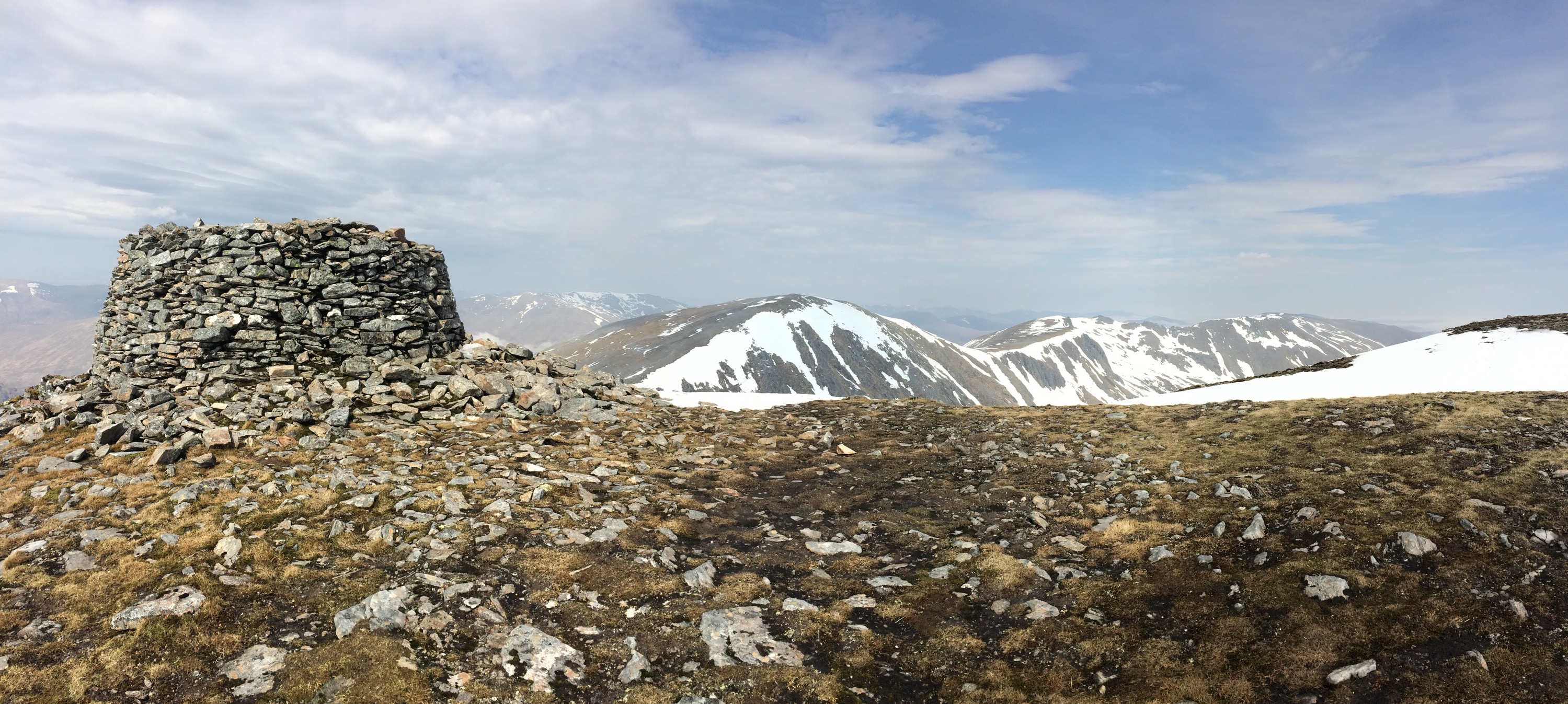
We reached Mam Sodhail and sat down by the an extremely well constructed and enormous cairn for a snack, not expecting to see anyone. But a couple were just approaching from the other side. I hastily put my top back on, and then my knee started to hurt.

The couple regaled us with their experiences of coming up and over the melting cornice, “no we didn’t have any ice-axes” they said. Jo and I paled, as we looked at the route they’d taken. My knee was throbbing. Better get back, said Jo sensibly, and we decided to leave Carn Eigh and Beinn Fhionnlaidh for another expedition. As we walked along the ridge we looked back and saw the woman standing right up at the edge of the cornice to pose for a photo. We stayed watching long enough to be sure we didn’t need to call for the helicopter, or try and effect a rescue, and then we headed back to the Youth Hostel.


Postscript: the sore knee developed two pleasingly large scabs which are currently in the process of sloughing. (Is that the correct word for scabs? I certainly feel like I’m sloughing them). Lovely.


“This should have been the easiest house in the world to build”

So you’ve heard my opinion on building a house ad infinitum over the past few years and now, it’s probably the turn of the builder to have a say. Months of pestering Stephen to write a blog hasn’t had any effect and so it’s going to be an interview format instead. I’ll try not to colour it too much with my own thoughts, but given that, when I listened back to the recording, it was largely me talking, that could be hard. I’m no Graham Norton by any means.   

I’d lined up the kind of questions I thought would get me some interesting answers, and illuminate something of the process of the build from the point of view of the builder. 


I get started: “Why did you take on a half built house when lots of other builders had turned me down?”


“I thought, ‘that looks easy, I’ll do that'” said Stephen. 


I tried again, “What were the low points or problems with the build” I asked. 


“None really, it was pretty straightforward. Your house should have been the easiest house in the world to build”


Oh…. This was shaping up to be a rather tedious blog where I come out looking like a total numptie. I tried another tack. 


We spoke about the best builds he’d done and he reeled off a list: “That one on the island in Oban Bay for sale, a big house in Easdale, the one in Benderloch, (that’s for sale too at the moment for 1.3 million I’ll send you the particulars…) my own, twice”. 


I’d already used the joke that the new house in Oban Bay is for sale because they got his final bill so I leave it and press him on the question, “But which one is the best thing you’ve built? Is it your own house?”


“No way, of course not. You know yourself, building your own house is really awful” 


“Really?”, I ask, amazed, “even for a builder?”


Stephen built his own house between dealing with all the other projects he was working on “I’d try and be done by two and then come and work on the house until eleven, and sometimes four in the morning towards the end”


But did he never get to see his family? “The kids would be in bed by seven and I’d go back out again to the build”


Stephen has been building for 25 years, starting when he was 16. I do a quick calculation on my fingers “Forty one! same as me!” I say triumphantly and ask why he decided to go into building.


“I didn’t have any qualifications, my dad and uncle were joiners, it was the thing to do, it was in the blood” 


I think back to my early career. I didn’t have my first proper job until I was 27 after a year out either side of university and a PhD. But why did I become a biologist? Because, well, my parents were biologists, I even went to the same university as my parents. My sister took the same route too. I certainly didn’t have a better reason for choosing my own career. 


We move onto the subject of working with people. He has certainly had worse clients than me. Much worse as it turns out. 


“Sometimes I can’t actually speak to them,” he said “and then I just send the boys in and stay away. Once when someone was really bad I had a Polish guy working for me and I just sent him in and told him to pretend he didn’t speak English”.


Now I can tell you, that I have certainly put the hours in to try and be good to work with. I was pretty desperate at the time Stephen appeared on the scene, I’d just called every builder in the phone book from Fort William to Oban, even the one who friends suggested I didn’t touch with a barge-pole. In fact the whole past year can he summarized as a major Stephen charm offensive: getting stuff to site on time, attempting (and failing) not to be too in-your-face, paying bills really quickly, being generally charming. Why do you think I wrote so many nice blogs about Stephen? In fact I don’t recall a charm offensive as prolonged as this since I met the long-suffering husband.  


I ask something about what I’m like to work with, hoping to elicit a positive comment. Nothing. 


So how does he decide whether to take on a job or not? “I make up my mind about whether I can work with someone within the first few seconds. And if I don’t think I can work with them I don’t take on the job”


It’s a bit awkward asking about yourself so I leave the obvious question hanging and ask “What’s the first thing you remember about my build?” 


“It was the panicked answerphone message I got on the Friday. You just sounded really desperate” he chuckles. 


He brightens further with chat about the highlights of the build which all revolve around the incompetencies of Builder#4 who I will name Phil for the purposes of this blog. 


“The highlight? – It’s got to be Phil’s caravan and tent and saw” he said in answer to the question and collapsed in laughter. “And then there’s the fridge full of beer. You know a builder’s good when he gets his priorities right, and the fridge of beer was the first thing to appear on site”


He went on “Then there was the business card – ‘landscape, Joinery, Deliveries'” I start to feel uncomfortable remembering all the horrors of my poor decision making. 


“But the best has got to be the day the boy burnt the sausages for breakfast and they all packed up and went home.” He said. I wilt. 


Stephen described, with glee, the time sheets his team put in when they started on the interior work after Phil had left.  

sorting Phil’s Shambles —– 8 hours. 


“He really looked like he was doing it for the first time” said Stephen. “And when someone is that bad, it makes everyone else look really really good” 


“It was funny when they didn’t arrive until 1130am one day when the rugby was on, saying they were on a landscaping job til late the night before, and went straight for a snooze in the caravan. They were still in there when the boys left that night.” 


Stephen pauses for a moment to chuckle, “the next morning when they emerged they went straight to the Holly Tree to watch the rugby and, when they got back, they said there wasn’t much point getting started so headed straight back to the central belt”


At this point I had been transported back to the full horror of the Phil episode. Aren’t we done yet? I wonder. 


“Seeing you hit rock bottom”  

Eh what? That doesn’t seem like a highlight. 


 But appeared that it was. 


“Phil really broke you, you were totally defeated” said Stephen: twice, just in case I didn’t hear the first time. 


“Actually,” I say, feeling the need to defend myself, and point out my resilience and stoicism, “the worst bit was having to talk to you about it to sort everything out”. 

(And that’s a fact. That bit was truly and utterly awful)


When things were bad, I didn’t even talk to the long-suffering husband about it. I didn’t want to. It was all too dreadful. I’d get home, after the two-hour drive back to Glasgow with the 90s club classics turned right up in an attempt to drive out the house-build ‘drag-me-down’ vibes with the ecstatic feel of a rave in a field, and Husband would pass me the wine and put on the iplayer. Everything would suddenly be right with the world. 


 “You can’t build a house without wine” said Stephen, evidently from plenty of bitter personal experience “Can you imagine what it would be like without the wine? You need wine. God, we’d all be dead without the wine.”


I told him the story of the sacking of Phil, done, as I do many things, to minimize conflict and just get it done as painlessly as possible. I spent some considerable time that day getting Phil to accept that he couldn’t finish the job and to take all his equipment and caravan off site. (Throughout this awkward conversation the, already rather physically imposing man, towered above me. “Shall we sit down” I said, Phil sat on a step ladder on top of a pile of boards “are you going to sit down?” He’d asked “no I think I’ll stand” I said). Once everything was offsite except the ruddy saw and the ruddy fridge (minus the beer unfortunately) I followed up with a phone call to finish the job. 


Yes I suppose it did rather break me, I admit. 


“It’s hard sacking someone” says Stephen pensively. 

“Yup. I’m finding it a bit difficult to think about it even now” I say. 

  
The interview had become a house-building therapy session. “It must have been hard,” said Stephen, “There’s probably some wall gone up there”.


“Why did I make such a useless decision to go with Phil instead of you for the interior work?” I wail. 


“You just need to go with your gut instinct but you probably didn’t do that” said Stephen sympathetically. 


I wander off into thinking about a management training I was at a few years ago. We were discussing personality and how people make decisions. According to the psychologists, people like me usually take decisions intuitively and instinctively (tell me something I don’t know…), but when they are under heavy stress they can start to take decisions in a different way, trying to use more rational approaches, which usually means they make bad decisions. I pull myself away from the looming cliff of introspection and back to the task in hand. 


“Hold on Stephen. Who is the interviewer here?”  


It seems that I’m not the only person Stephen has seen in a defeated slump. “People are usually like that when they come to me. The whole process of planning and building control does people in, it takes years and they just want the house built.” 


And it’s not just the clients who can have a hard time. Later in our discussions Stephen tells me that even he can have a bad time at it. “Sometimes you get a job that really breaks you, you just have to tell yourself that it will be over soon and get on with it, but if it’s a house build, it can last a very long time.”


I ask if he liked reading the blogs I’d written about him. He brightened considerably, “I love it” he said. “People keep asking whether I’m builder #1 #2 #3or #4.”


According to Stephen, Lots of people around Oban read the blog, “the partner of your planning officer, he reads it.” He said (Oh….. I thought about the blog I wrote about our trip up to fort william to charm the planners and my toes curled gently under the table.)

“Everyone does.”


 I do know that my building control officer reads it – he emailed me to say so after I’d written a blog about him (eliciting another slight curling of the toes) 


 The joy of writing about the build has been that Stephen has always been very blasé about what I write about him. I always sent the blogs to him to make sure he was happy. “I really don’t care what you write” he would say repeatedly “Say whatever you like.”


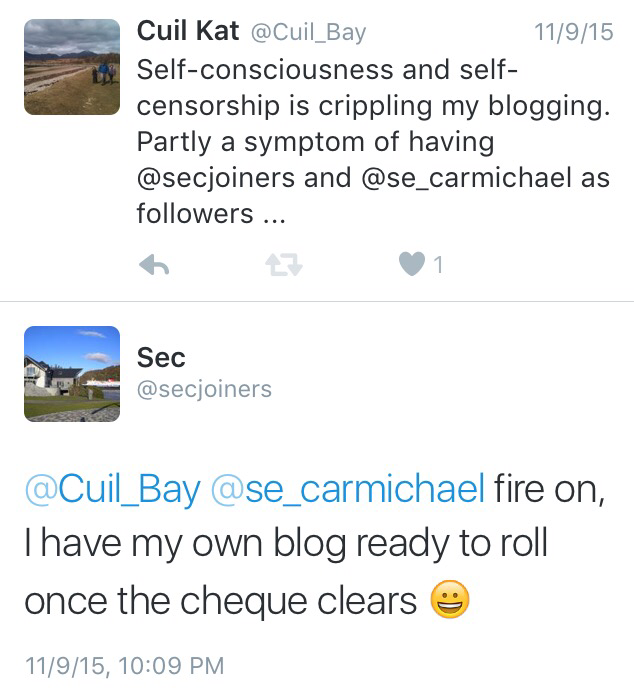
 Once I mused, on Twitter, about the writers block I was suffering as a convenience of worrying about the builders reading it. 

“Fire on, I’ve got my own blog ready for when the cheque clears” came back the response from Stephen.    

 And that was when the idea of a guest blog from the builder, and the architect, and anyone else who fancies sticking an oar in, came about. 


And, of course, that is how I come to be interviewing Stephen. 


Conscious that the product of the interview thus far hasn’t made me look particularly competent, I go fishing for something that could save my reputation. Was there anything I did right?


“When you filmed the cow in the next door neighbour’s garden, that was funny”. Stephen was referring to the morning when Jamie the farmer came over while we were talking about what to do about the porch. 


“You’ve caused me a load of @&$@ing grief Kat” said Jamie. Oh dear, I thought, what could it be; the articulated lorries coming down the ridiculously small road and trying to turn in his drive? The piles of detritus all over the landscape related to my house build? The gaping potholes that seem to get bigger every time another truck, transit or lorry zooms down the track? Apparently not, it was the time lapse video I’d made of me and a few friends trying to build a shed and which gave a view of the neighbour’s garden. “The neighbours saw it and there was one of my @&$@ing cows in there eating their hedging plants. They were straight on the phone to me last night” he said. We all fell about laughing. 


Funny, Stephen, yes. But IT DOESN’T ANSWER THE QUESTION. was there anything I did right during the build?


“Well you’d actually make a very good project manager” he said eventually, when pressed. 


Really? In what way?

“In the way of being really good at organising people, finding someone who knows how to do the job and getting them to do it”. 


Well, knock me over with a feather. I didn’t expect that to come out of the interview. My job here was done. 

 There was one last question I really had to ask. One that had been bothering me since the start of the interview. 


“Seeing as my house should have been the easiest house in the world to build, and nothing in it was a problem for you, did my epic charm offensive have any effect or was it just totally wasted effort?”


Hummmmm. As I suspected, it seemed that all my efforts to be charming and good to work with were rather unnecessary, and probably went unnoticed. I looked rather downcast. 


“It didn’t go unnoticed.” said Stephen “The boys appreciated the chocolates, well, the ones that didn’t fall in the mud.”


At Christmas I’d made special whisky chocolates for all the people on site – the filling was melted white chocolate mixed with Glenmorangie. There was an awful lot of whisky in each of those chocolates and everyone got four in a home-made box. (Well not everyone, two boxes fell in a huge puddle when I got out of the car so Eddie the tiler and I scoffed all of those after we’d rinsed them under the tap). You don’t get much more charming than that, but no-one ever mentioned it
 

But whether or not the charm offensive was necessary, effective, or even noticed, It probably was essential for my own entertainment and well-being during the build. When you’re building a house, you think about it every single day. Every day. And that means you need to think about the builder every day. This can become somewhat debilitating if you are having difficulties with your builder. Thinking about Phil always made me irritable, downcast and miserable to be around.  


Very early on I accepted that I was just going to have to think about Stephen quite a lot, so I might as well see it as one of the good things about building my house. Especially when the good things are rather few and far between, consisting of writing the blog and inventing new ways of making splashbacks and shower screens, and nothing much else.  


Stephen is very aware of the huge importance that he and his team have in the lives of people building a house. 

“We become a major part of people’s lives, we recognise that” he says “and working with interesting people is always part of the attractions of a job”. 


There were just so many absolutely hateful, tedious or just downright soul-sapping tasks that I had to find a way to make myself want to do. Who wants to spend a sunny Saturday choosing bathroom stuff? Or having to give list after list of things to do to the builder. It’s just not fun. There are about a million things I could think of that I’d rather be doing than building this house. For some reason, actually finishing the house was never much of a motivating factor in itself, I had come to terms that I would be building the house well into the distant future and was simply looking for ways of making the process more bearable. 


I have found, over the past few years, ways of persuading myself to do tasks I don’t want to. I’ve actually got quite good at it now, I can even fill in a reporting spreadsheet, if my life depends on it.  


I’ve found that it’s people that motivate me, not tasks. So I always need to have a person that I’m doing the task for. If the task isn’t for a specific person then I need to imagine one. For example, when I write some interpretation, a leaflet or a press release at work I need to have my audience clearly in mind in the shape of a real person. And I can only tidy and clean the house if there’s someone coming for dinner (I sometimes plan a dinner party simply because the house needs a tidy). A deadline, real or invented, always helps too. 


When it came to the house, the charm offensive has certainly kept me occupied and entertained, and it has given me another reason for writing the blog, providing me with a muse from time to time (who evidently liked reading blogs about himself). But importantly it provided the motivation for doing all those painfully annoying things you need to get done to build a house. Like getting some essential component of the house to site by a certain date, or hassling Scotframe yet again to do what they said they would.


In fact, the whole fun of building the house, pretty much the only good bits, have all been the bits where I’ve worked with brilliant and effective people. Not just Stephen, but also Stephen the stonemason, Jamie who installed the MVHR, and Stephen’s team, especially Eddie who was the only person who didn’t seem to object to having his photo taken; Stuart the builder who did the foundations, and numerous others, including the architects and Tom (kitchen) and Jake (wood) who I’ve known since University. On the other side, the worst bits are when I’ve worked with difficult people: Phil being the only one that springs to mind. 
 

It’s only because of those people that, despite the problems and difficulties, building Sula has actually turned out to be a hugely enriching experience. 


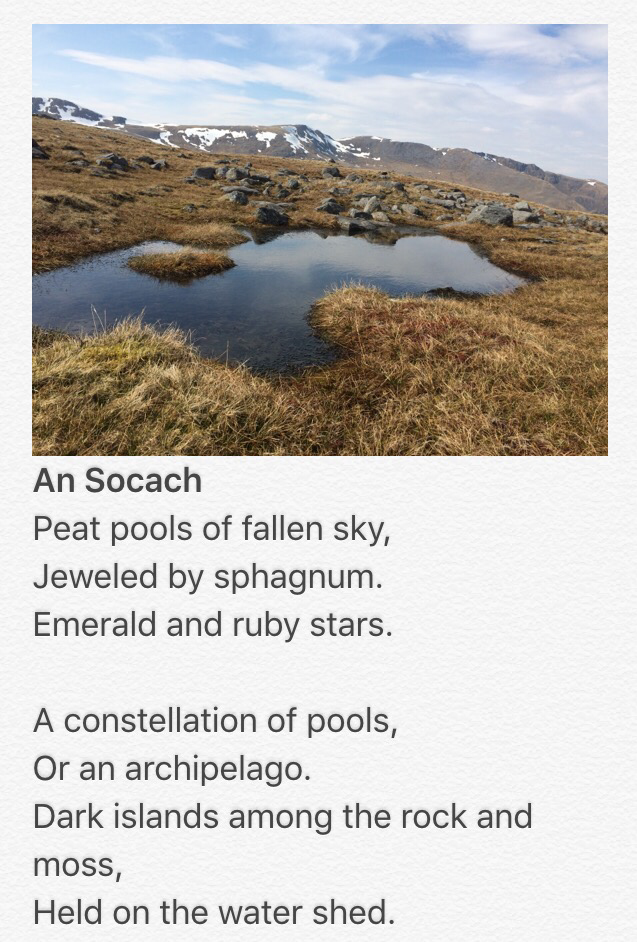
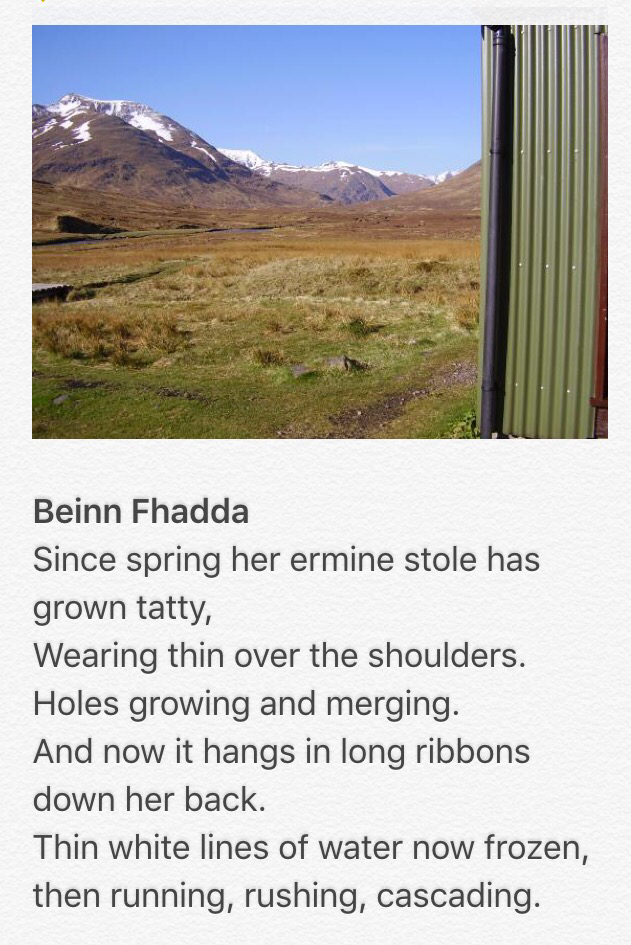
Where on earth did that poetry spring from?

This is the end of a second day of walking the mountains of Glen Affric, and my mind has, at last, stopped racing and has started to slow down. Two days of pacing the hills steadily: mountain tops the goals but also the means to an end, working out the thoughts constantly running through my mind and freeing up a little space. The constant plod of foot after foot on the uphill imposing rhythm on thought and time to think each one away.  

John Muir wrote beautifully about the human need to connect with nature in the mountains.

 “Thousands of tired, nerve-shaken, over-civilized people are beginning to find out that going to the mountains is going home; that wildness is a necessity”

Our National Parks, (1901), chapter 1, page 1. 

“Keep close to Nature’s heart… and break clear away, once in a while, and climb a mountain or spend a week in the woods. Wash your spirit clean.”

Muir quoted by Samuel Hall Young in Alaska Days with John Muir (1915) chapter 7 

It’s been a long time since I’ve had a long stretch of time in the mountains. A few years ago I was fortunate enough to work only two days a week for a whole year. The children were young and in nursery three days a week (so we could keep the space open for when I went back to my ‘proper’ job again). Once a fortnight I would take myself off to the hills to walk. 

 
It’s now down to one visit a year to a real wilderness space, a few nights bivvying alone in the hills and evening or day hill walks when I can fit them in. But this is a rare and special time in a place far from road, house and phone signal. 

 
It’s taken a long time to get to a state of not thinking of anything in particular; not my to-do-lists; not conversations to have and projects to begin; not worries about this and that, and to start to notice the world around me. It’s taken two days on the hill 9 hours a day with Jo, my long-suffering mountain companion. 


On these very rare occasions that my mind is actually clear, sometimes I just think about nothing at all, and sometimes I have ideas, make decisions or set out on flights of fancy, but this time, for the first time, some poetry has come out. 

 
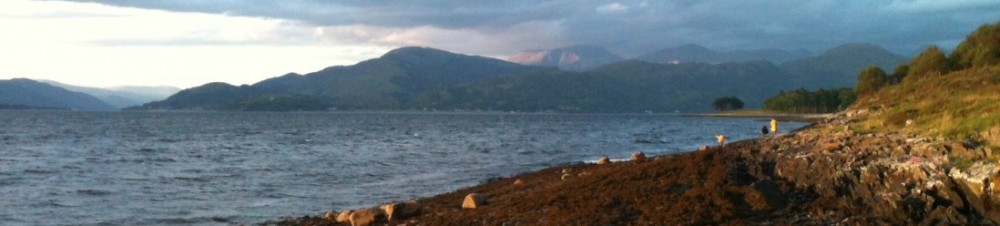
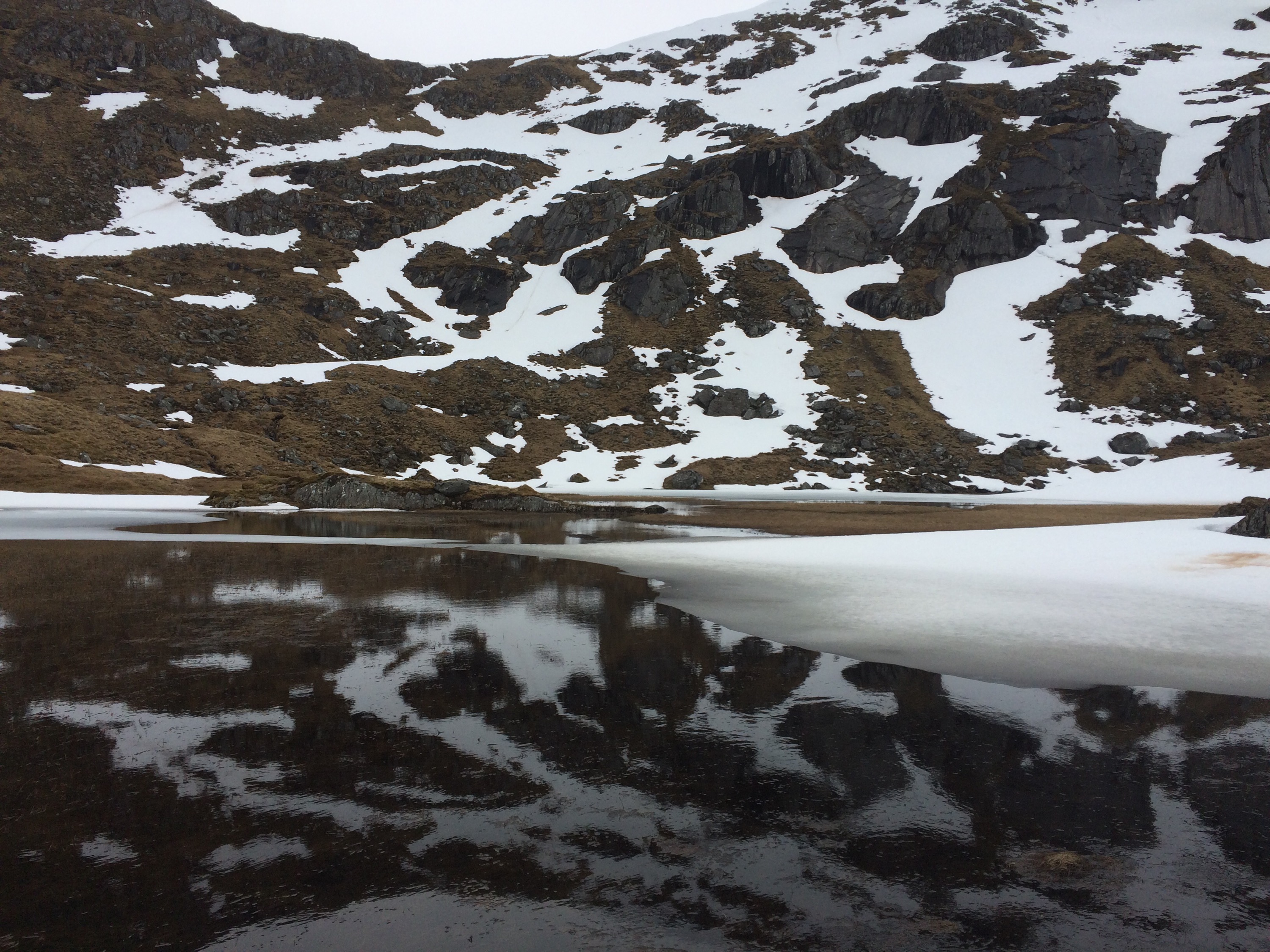
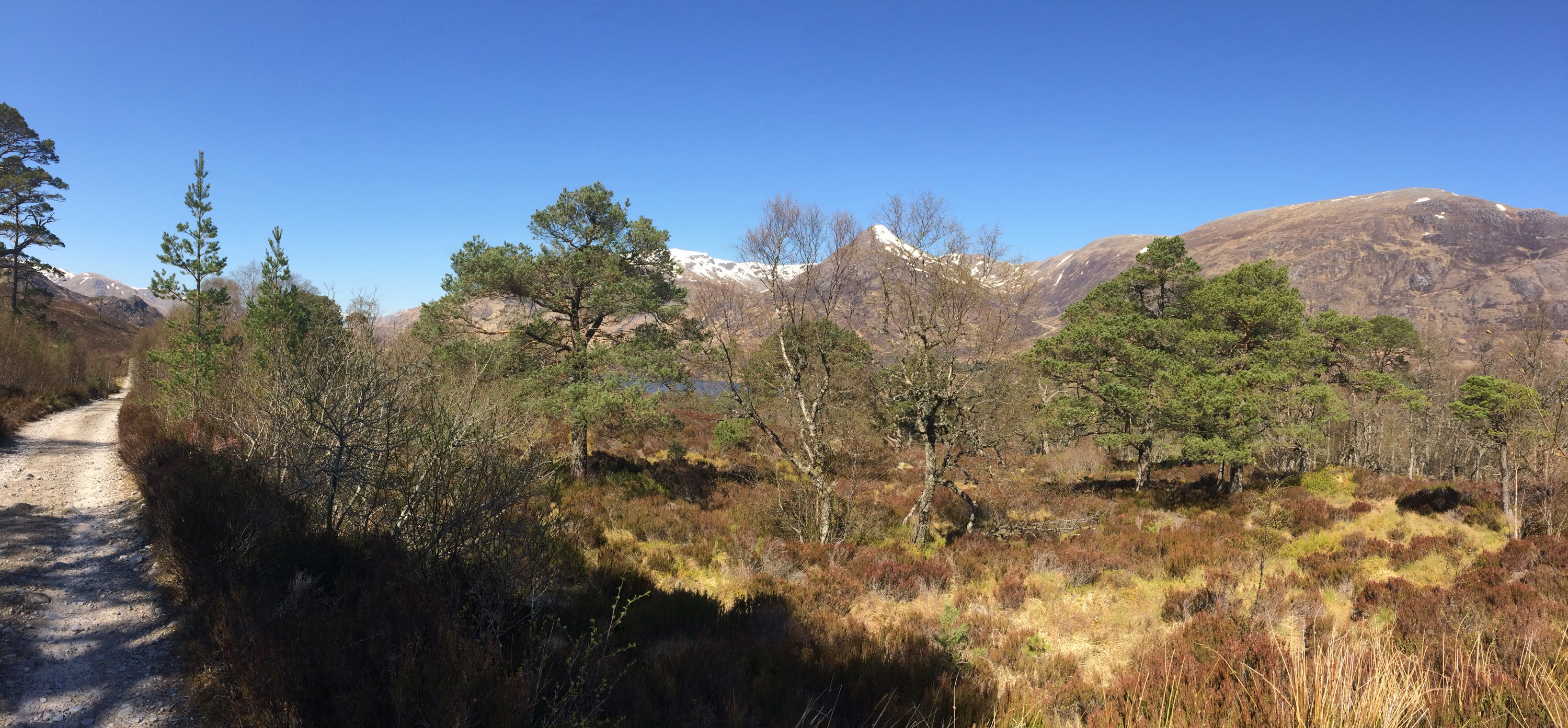
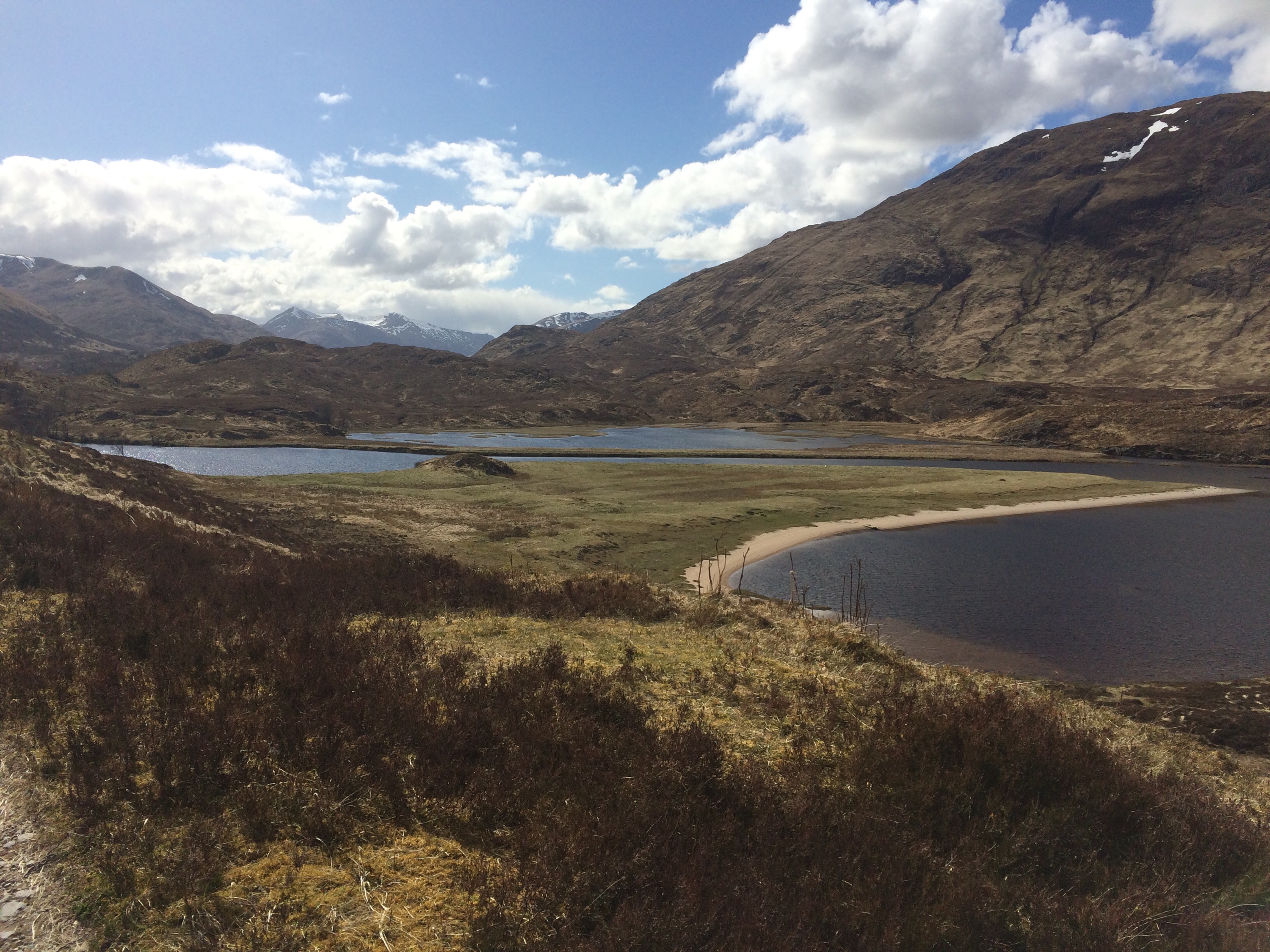
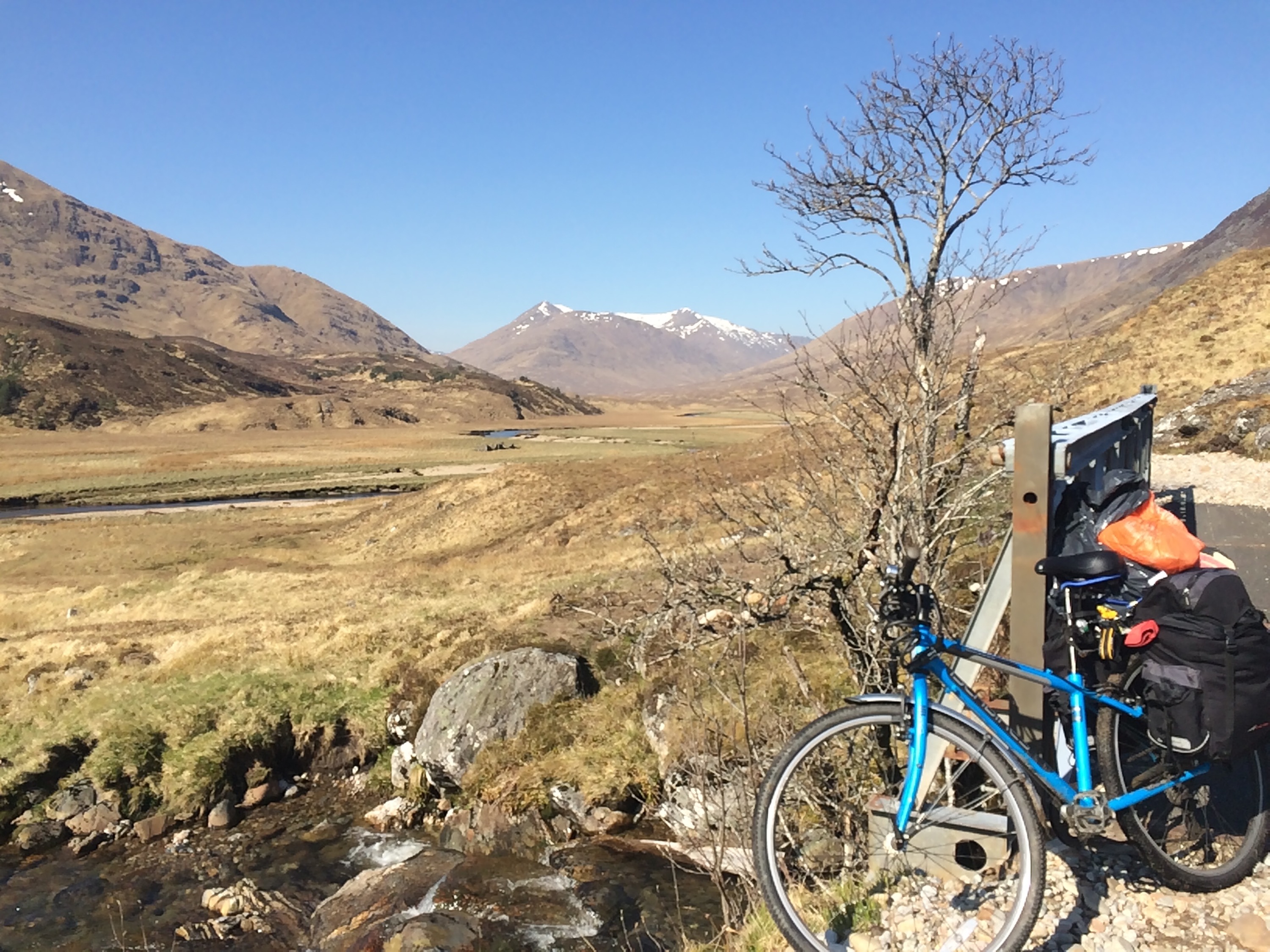
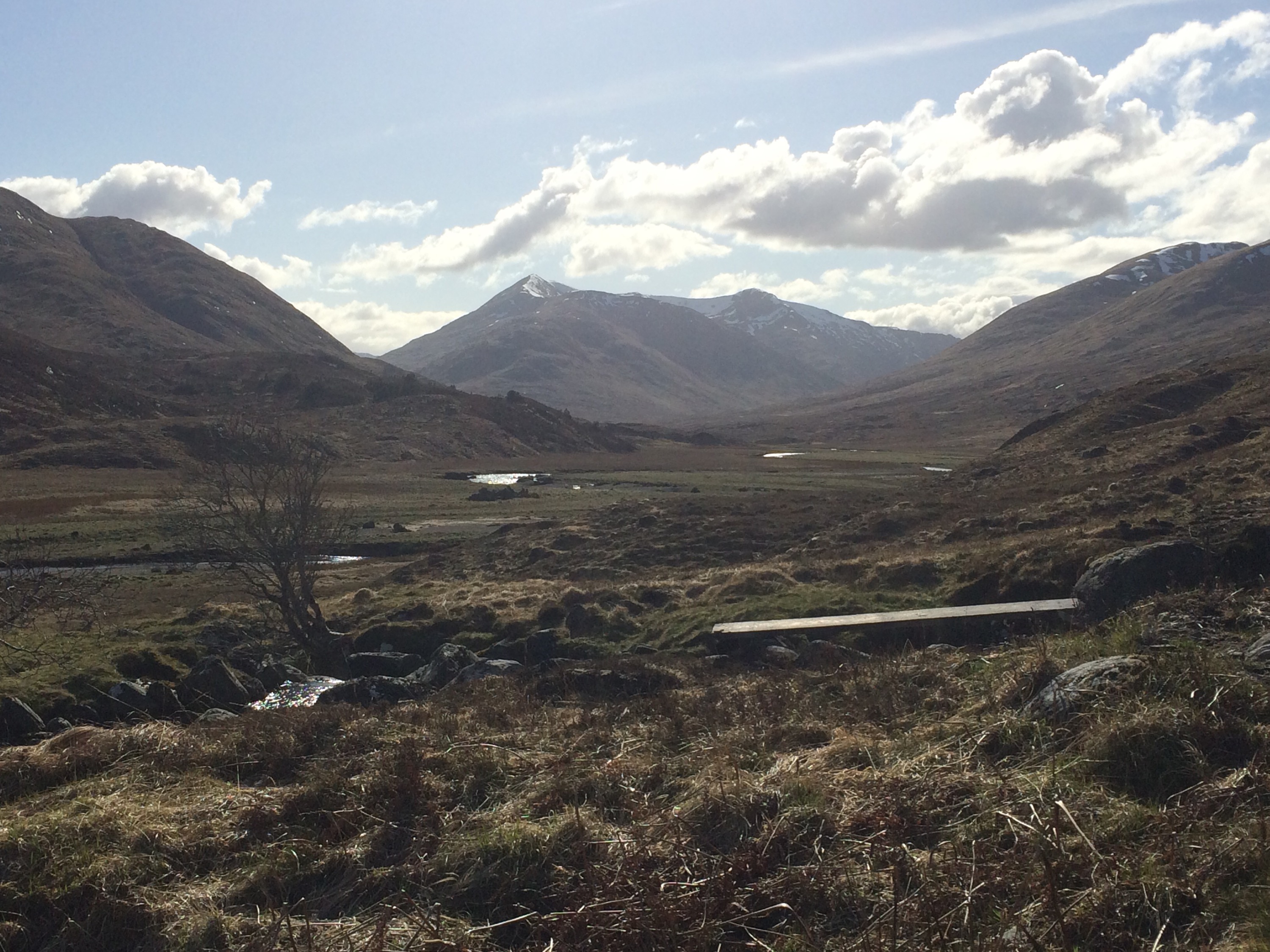
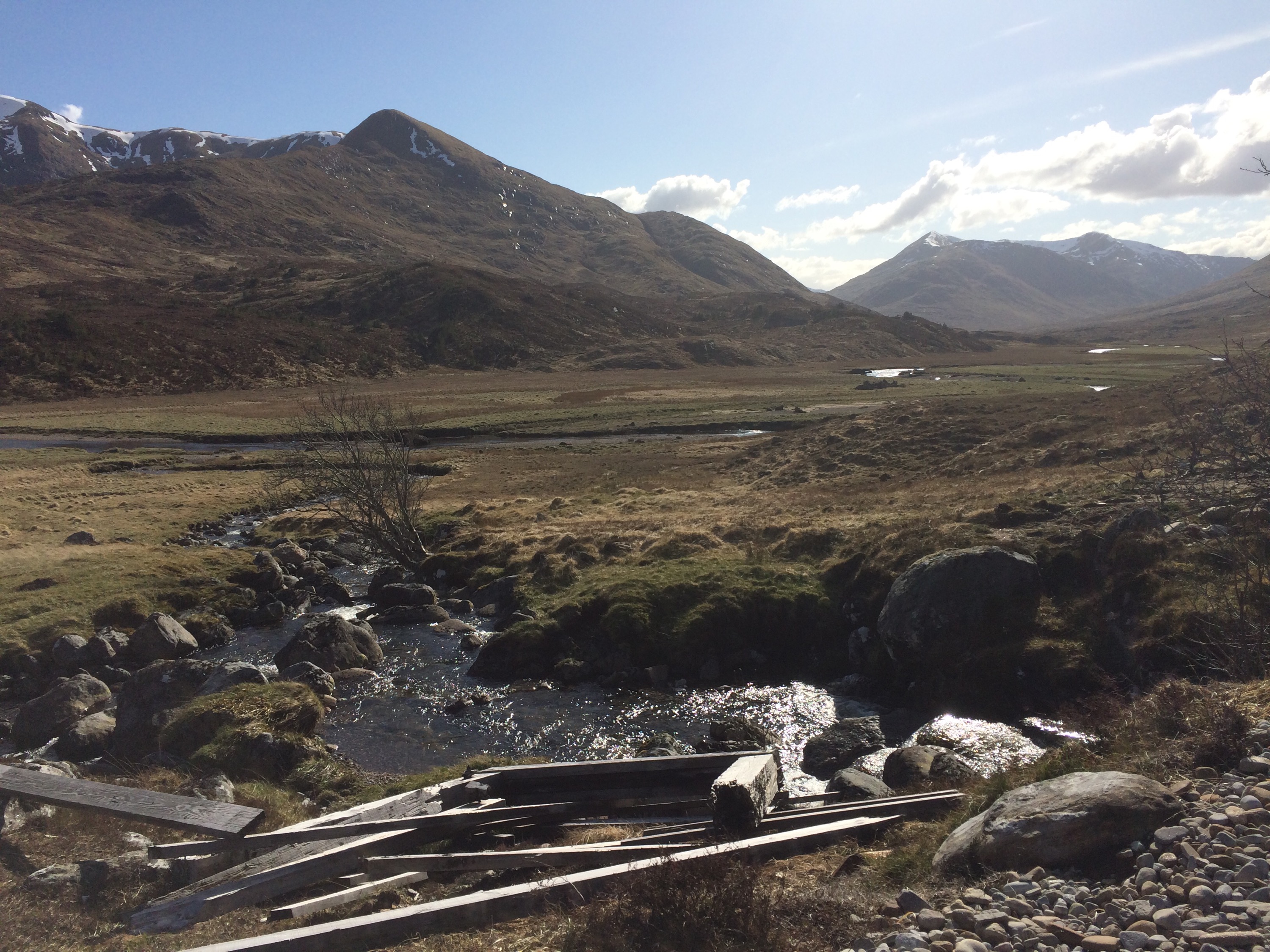
I’ve no idea if it’s any good, I’ve never written poetry before. I don’t even read poetry. But here it is. Each with a photo of the place that inspired it.  


Gettaway to Glen Affric

Heading north. As Scotland’s political commentators, journalists, politicians and activists settled down for some rest after their election night exertions, I was driving past the heather clad and snow-streaked mountains of the Drumochrer pass, with a friend, listening to the radio analysis of seats won and lost, and wondering whether we’d need an ice axe. Blissful isolation of four days in Glen Affric lay before us.

  As we drove past Tiso I suddenly had second thoughts about my pannier rack, which I had rigged up to the bike with a shoe lace and a fruit shoot lid. I stopped to buy some heavyweight cord. The pannier rack came from a previous bike that bit the dust and was deposited outside the bike shop in the sky (also known as the Glasgow a bike station, a social enterprise project that gives bikes new life and also trains people for work). It wasn’t until later I realised I’d left a perfectly good pannier rack and mud guards on the bike and set off into the dark and rain at 10pm to remove them before someone else helped themselves.
It was this, hard won, rusty and ill-sized bike rack that I had been trying to attach at 8pm the evening before our great adventure was due to begin, improvising with what I had in the house. I had actually thought of it earlier in the day and taken it to a bike shop which proclaimed that it didn’t fit as I am still using the kids bike borrowed from my daughter a year previously (in fact it was the day after my previous bike was declared past help). However, even though he wouldn’t fit it, he gave me a couple of screws and I got the bottom fixed onto the frame near the hub. The rest of it waved precariously back and forth as I cycled home to see what I could attach it with.


Materials were sorely limited and so an old shoelace from a pair of long grown-out-of pumps had to do. The fruit-shoot lid was to stop the prongs of the bike rack moving forward past the seat when I braked. A previous itteration involving a bit of wood with two holes in, stuck out too far to be comfy while riding.

 I bustled about the house ineffectively, trying to pack but mainly looking for things that I’d lost. The husband was nowhere to be found when I needed him to help me find the bike pump, or some plastic bags, or my ice axe (should we take it? it could be icy on the mountains, or, actually, should we leave it? It will be a right pain to carry in?).  Eventually I found him in bed

It turned out that it was the only quiet place in the house where he wasn’t being asked to do things. “Am I being annoying with all the packing stuff?” I asked “just a bit” he said.

The rack seemed attached well enough as we set off, loaded up with plenty of luggage, into the glen. After a lengthy debate in the car about the state of the mountains, we decided to take the ice axes. Every mountain we approached seemed snow free “Look, that’s fine we won’t need it” Jo would say, until we passed it and looked back from the north, at the icy peak when we’d say together, “No let’s take them, better to be safe then sorry”. This continued almost the whole journey.


 My ice axe stuck out from my pannier like one of boudiccas wheel sythes “you’ll do someone a damage with that” said Jo. Thoughtfully I tied a trainer onto it.
The track to the youth hostel is 8 miles along what was billed as ‘passable by mountain bike’ on the website we looked at.

“It’s not going to take us long”, said Jo, “I cycle 7 miles to work every day and it only takes me 35 minutes, how long can this possibly take?”


 Turns out it could take a rather long time. My experience of mountain biking extends to my daily commute negotiating the potholes of dumbarton road and a “bonding” trip with my god-daughter – then 11- which involved her screeching with joy down a steep path in some woods in Dumfriesshire and me pushing my bike gingerly down behind her. I was ok on the uphill but skidding uncontrollably down loose gravel interspersed with larger rocks was a bit hair-raising, although after a bit I started to get the hang of it. The shoelace holding my pannier on broke a mile or so into the journey. “Ah ha.” Said I, reaching into my pocket, “This was just the occasion I expected and is why I bought that cord”.  But it was no where to be found.


Facing the prospect of a difficult journey ahead, it was then that the true value of the ice axe became clear, and I took off the strap and used it to reattach the pannier.
We continued on our way, pushing the bikes over slippery rocks in streams and up steep sections with eroded rocky surface. Only last week I’d watched a video of Danny Macaskill mountain biking the Skye ridge. It was certainly harder than he made it look…. I mentioned this to Jo. “He’ll have a proper mountain bike though” she said “and I bet he didn’t have full panniers, a half bottle of whiskey and an ice axe when he was cycling the Cullin ridge”.
 It was a fair enough comment, I was on my daughters bike ‘it’s too small for me mum’ and Jo was on her city commuting bike. Perhaps it really was only our lack of appropriate equipment that was preventing us zooming like athletes along this stony track. Although it’s worth crediting the daughter’s bike with successfully seeing me round the Bealach na Ba circuit (600m of ascent to the pass in driving sleet, snow on the road at the summit   and then another 40 miles and loads and LOADS more ascent) the previous Easter.
Eventually we arrived two and a half hours after we’d set off. One of the clips holding a pannier to the rack fell off only 200m from our destination, but, once again, the ice axe proved its worth and the loop of the strap made a temporary mend.


 The youth hostel, Britains most remote, was clad in corrugated iron painted millitary green and we arrived to a fine welcome and started getting to know our fellow hostellers. One was a woman, recently retired, making a food drop for 13 day across scotland trek she was starting the following week. She would be alone, dropped at start by her husband and camping, bothying and hostelling on route.


“You’re my two daughters” she laughed, a few minutes into our conversation. Her daughters are also called Kat and Jo.


Then there was a filmmaker couple who had taken the sleeper from London and were walking from Strathcarron to Inverness. Sue told us about making a film in a sea cave as the tide rose and fell. She would stay in there with the camera floating in a dry suit for 7-8 hours at a stretch. “It was magical, amazing, so peaceful” she said.


A cyclist bombed past at speed, up the Glen to a broken bridge and then back to the hostel where I was just getting the G&Ts out of the stream, where I had put them to cool. He was out on a quick evening bike trip. So far, out from the car park, up the glen  and back to the hostel had taken him  45 minutes. “But look he’s got a proper bike”, said Jo. “And no luggage”.
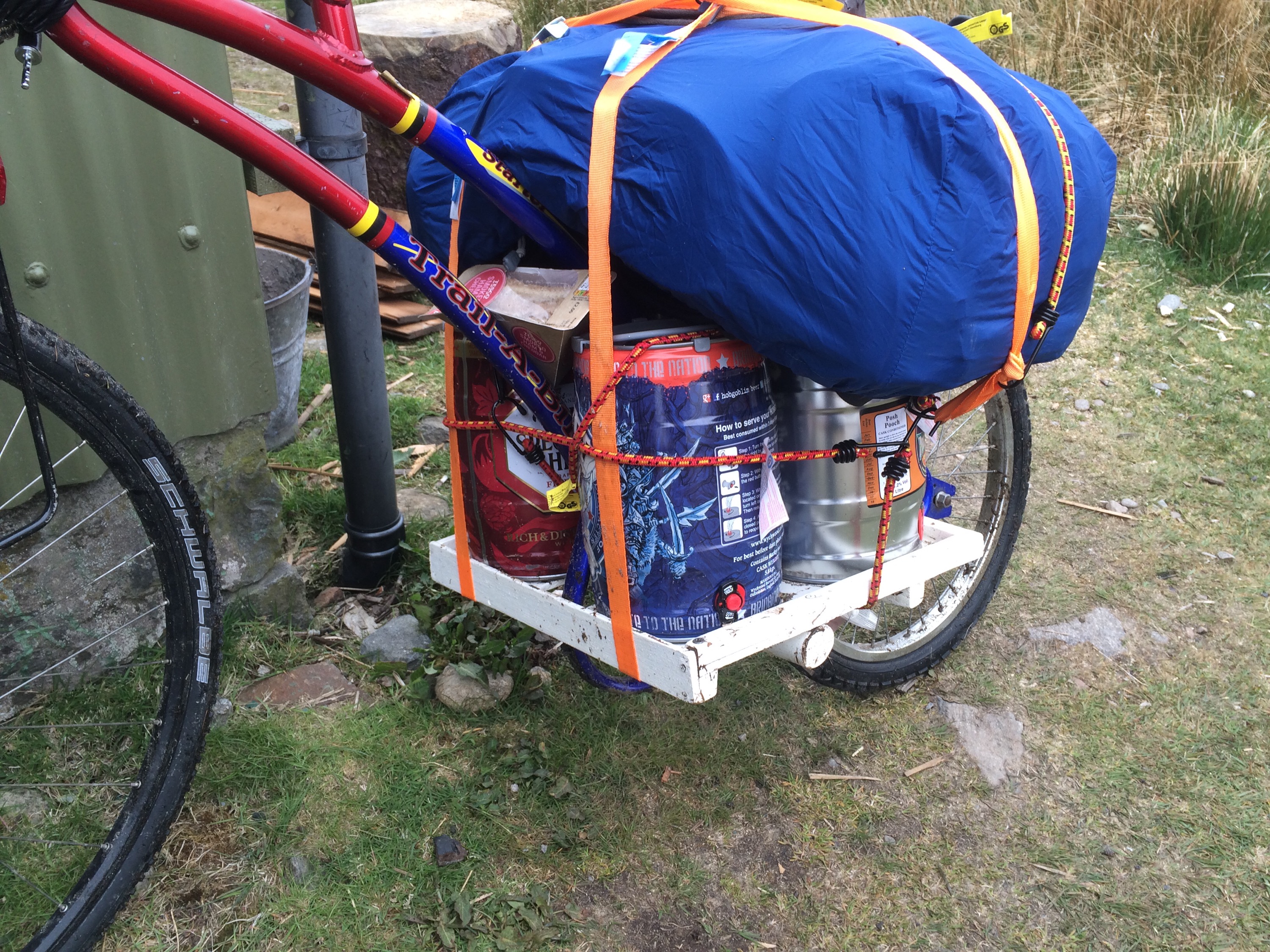
 By contrast, a group of eleven self-confessed “old farts” had even more trouble than us on the cycle in as they had brought four kegs of beer, two boxes of wine and three bottles of whisky in on a specially constructed platform attached to a kids tag-along bike. To add to their pain, one of their pedals had sheared off on the journey. They were up from Reading on their annual walking trip and intended  to combine Munro Bagging with drinking.


But despite the bonhomie in the hostel, people took to their beds early, the objective on everyone’s mind was the mountains and we had the prospect of a good weekend ahead.

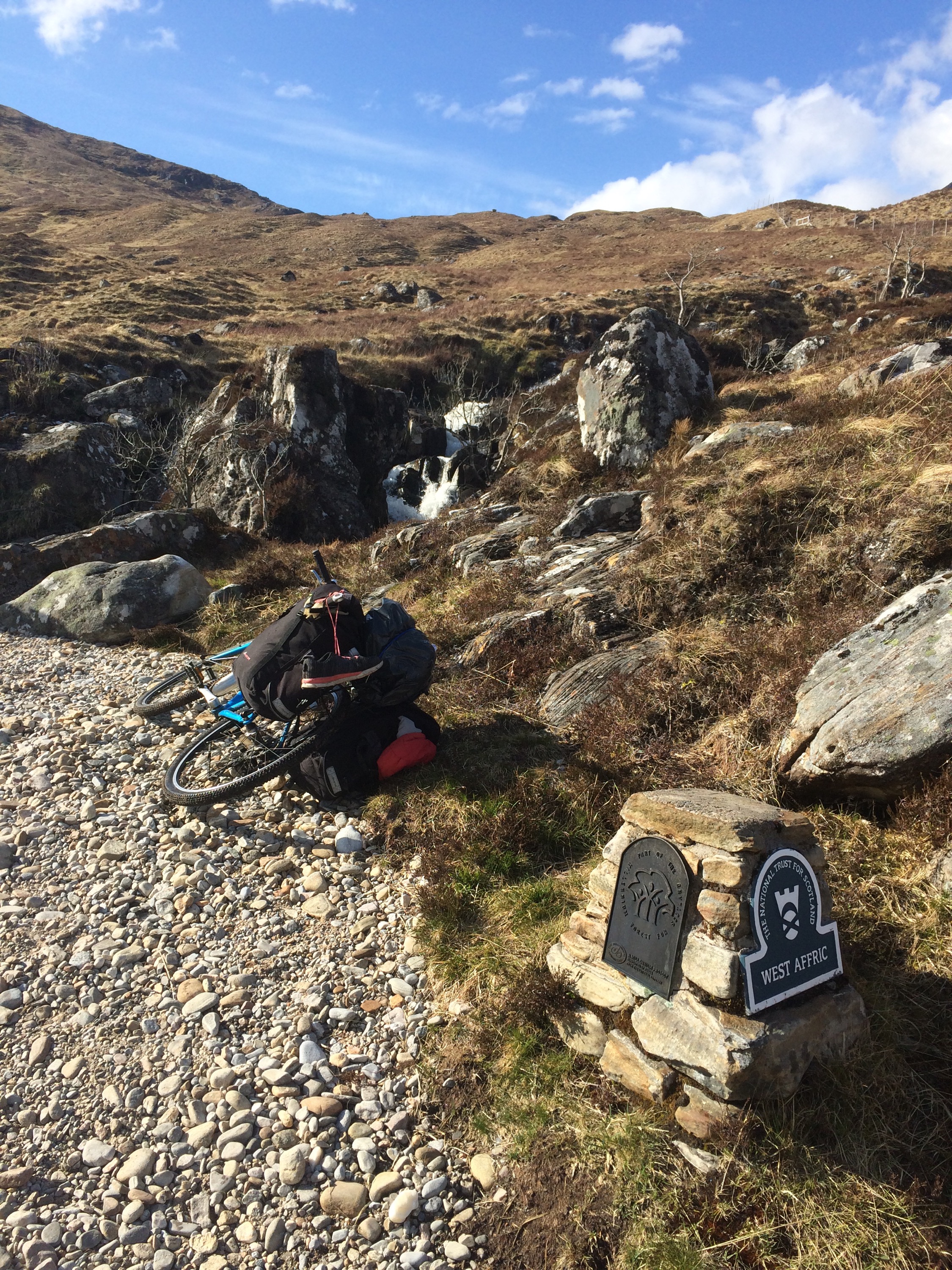
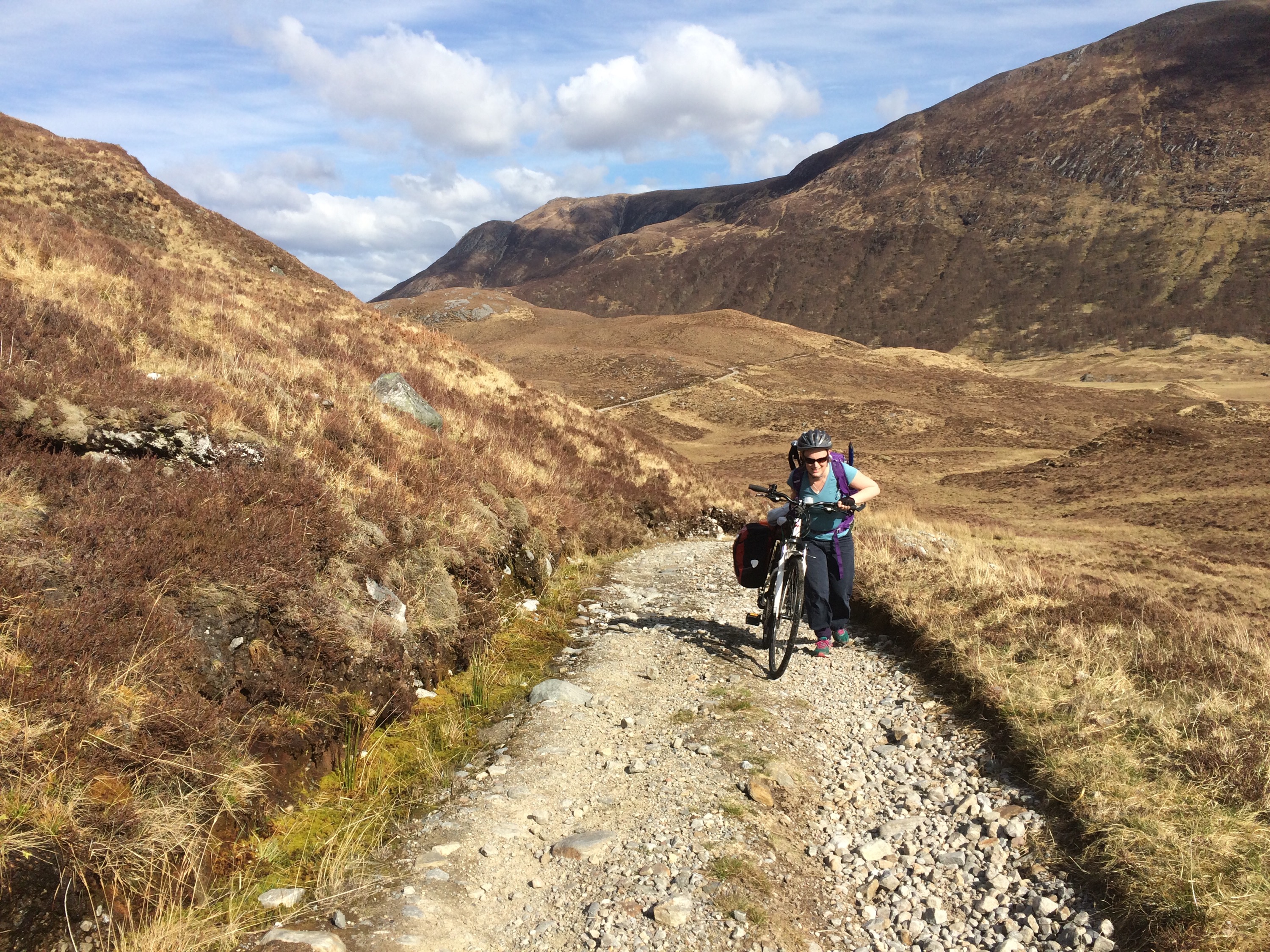
 This looked like an inviting bench with a view as I pushed my bike up an especially rocky section of path…

  ….but turned out to be part of an old, decrepit bridge 

The boring bit …

I’m due a proper contemplative look back at the past few years. A thoughtful assessment of the whole process of building a house. But given the speed life is moving at the moment, I’m finding it hard to sort the velux blinds (that I ordered the wrong size) let alone sit down in a quiet place for a few hours of contemplation. 
   

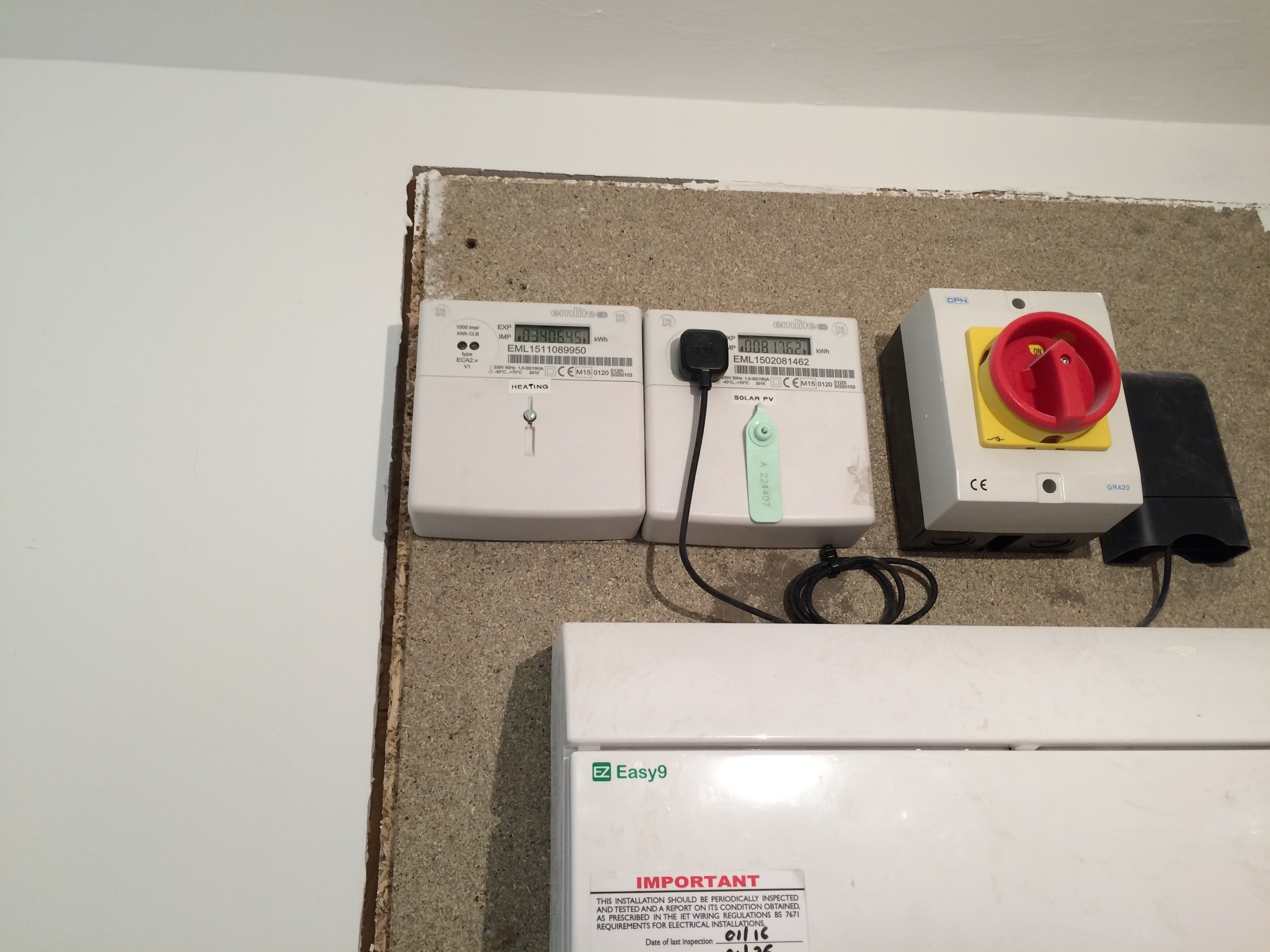
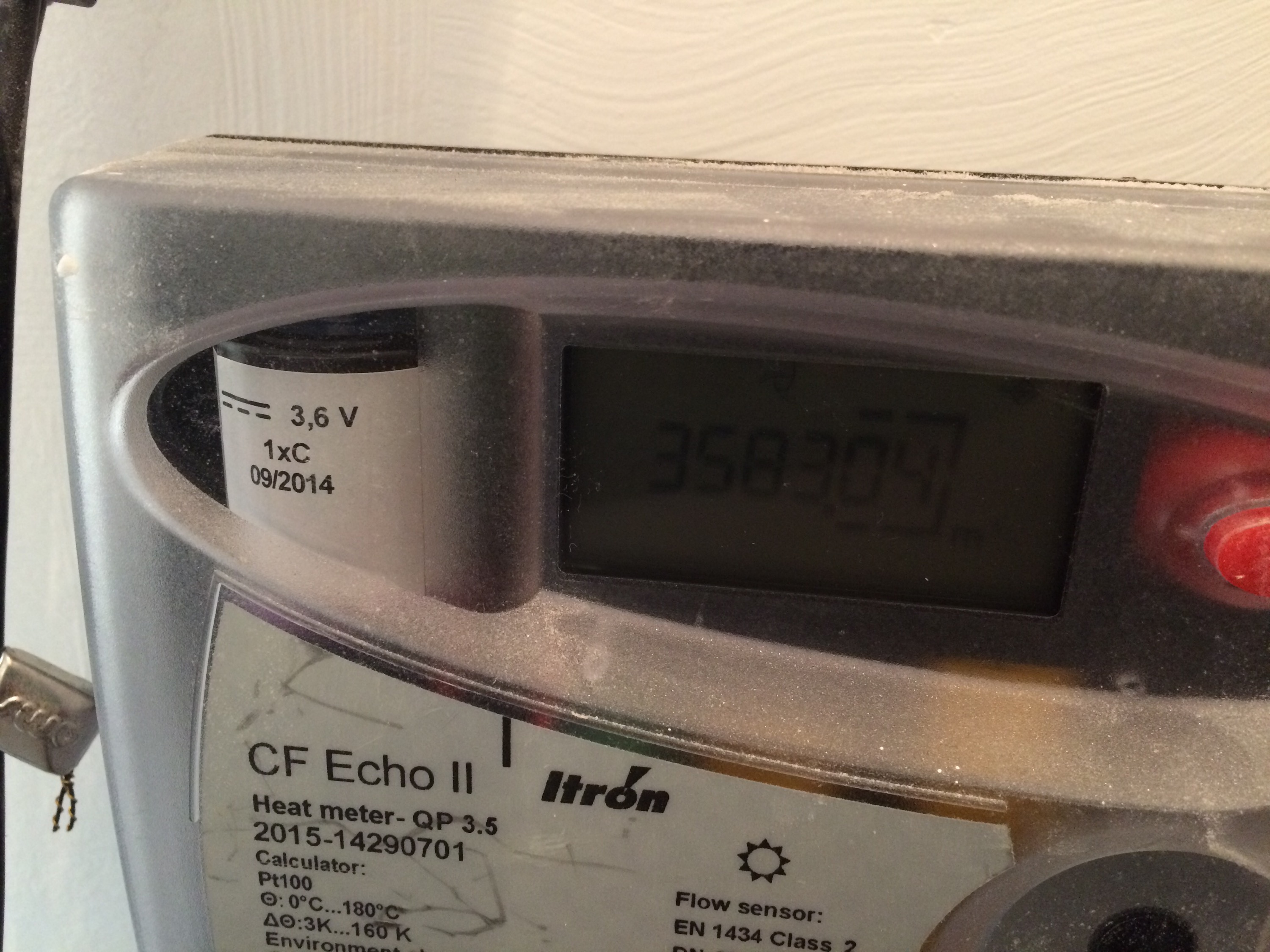
So in lieu of that, I’ve been doing some meter readings and calculating things. It’s been a trying time for Adrian the heating engineer as I have been trying to get my head around the system, and calling him with puzzled questions, but I think I’ve now worked out which of the four metres is which and the various false alarms about energy use have been put to bed. 


It’s worth noting that these figures are perhaps not that indicative of the house in normal use because 

1. It covers just the winter months Oct-end April

2. Much of the measurements have been during the build when the heating was on quite warm to dry the house out but not much hot water was being used. 


The space heating and hot water is delivered by a heat pump (and solar gain is providing a really good level of heating when the sun is out). In this allegedly temperate coastal climate (though you wouldn’t know it judging by the outside temperatures today, the first day of May, and the snow on the hills) an air source heat pump is supposed to be quite effective as the air temperature doesn’t drop too low very often. 


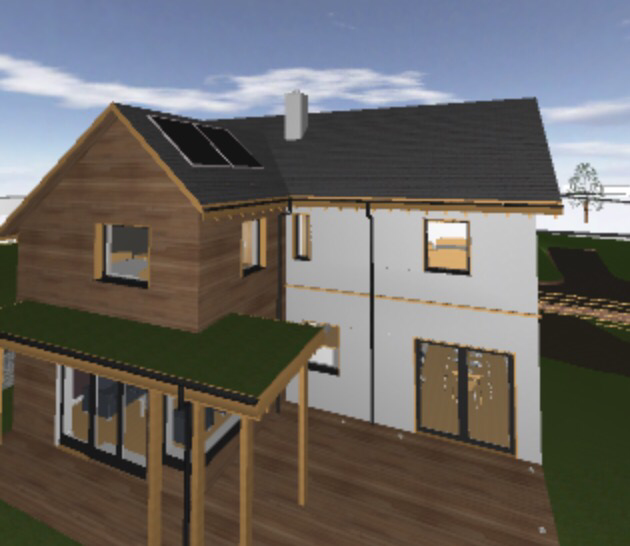
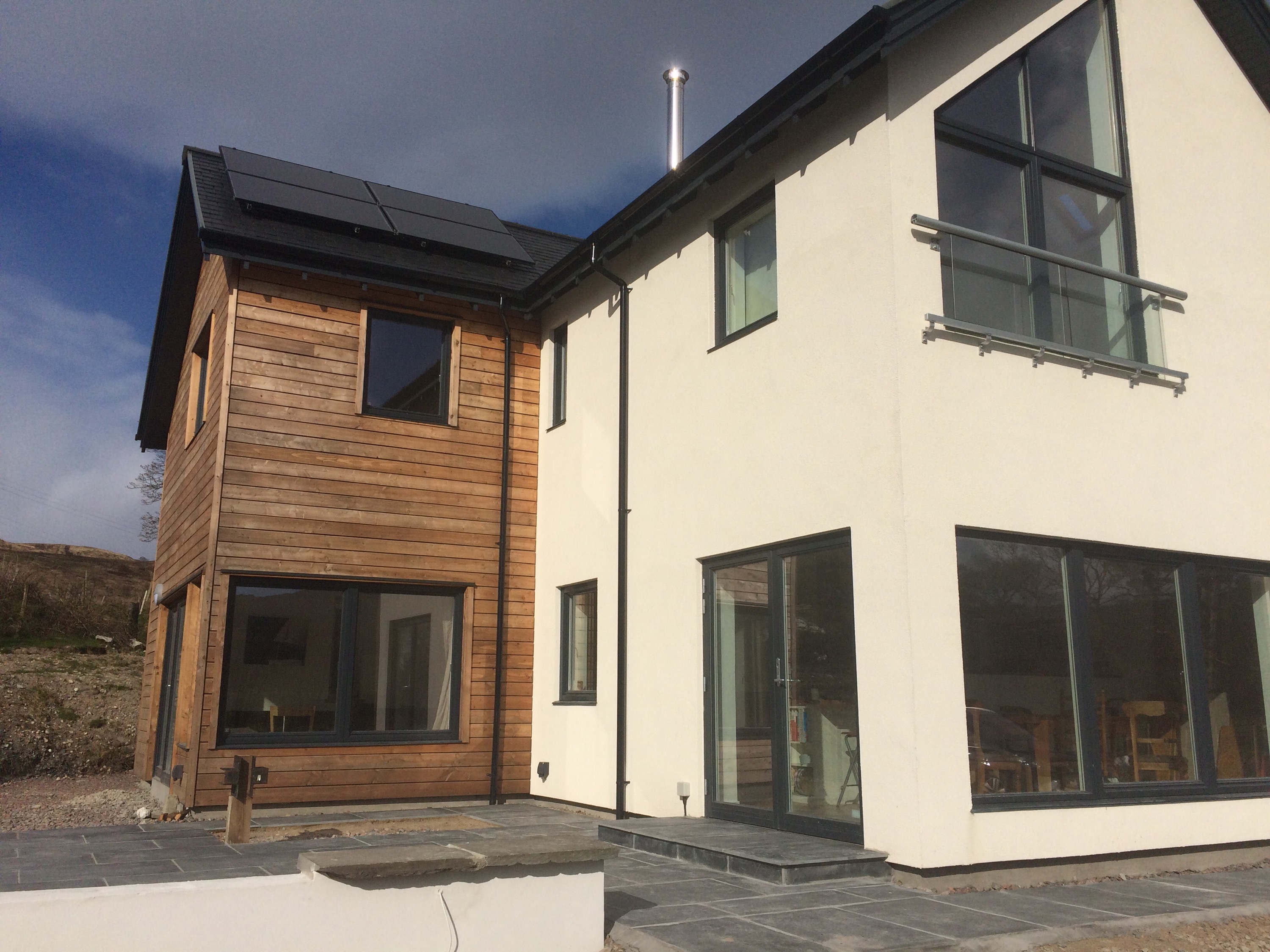
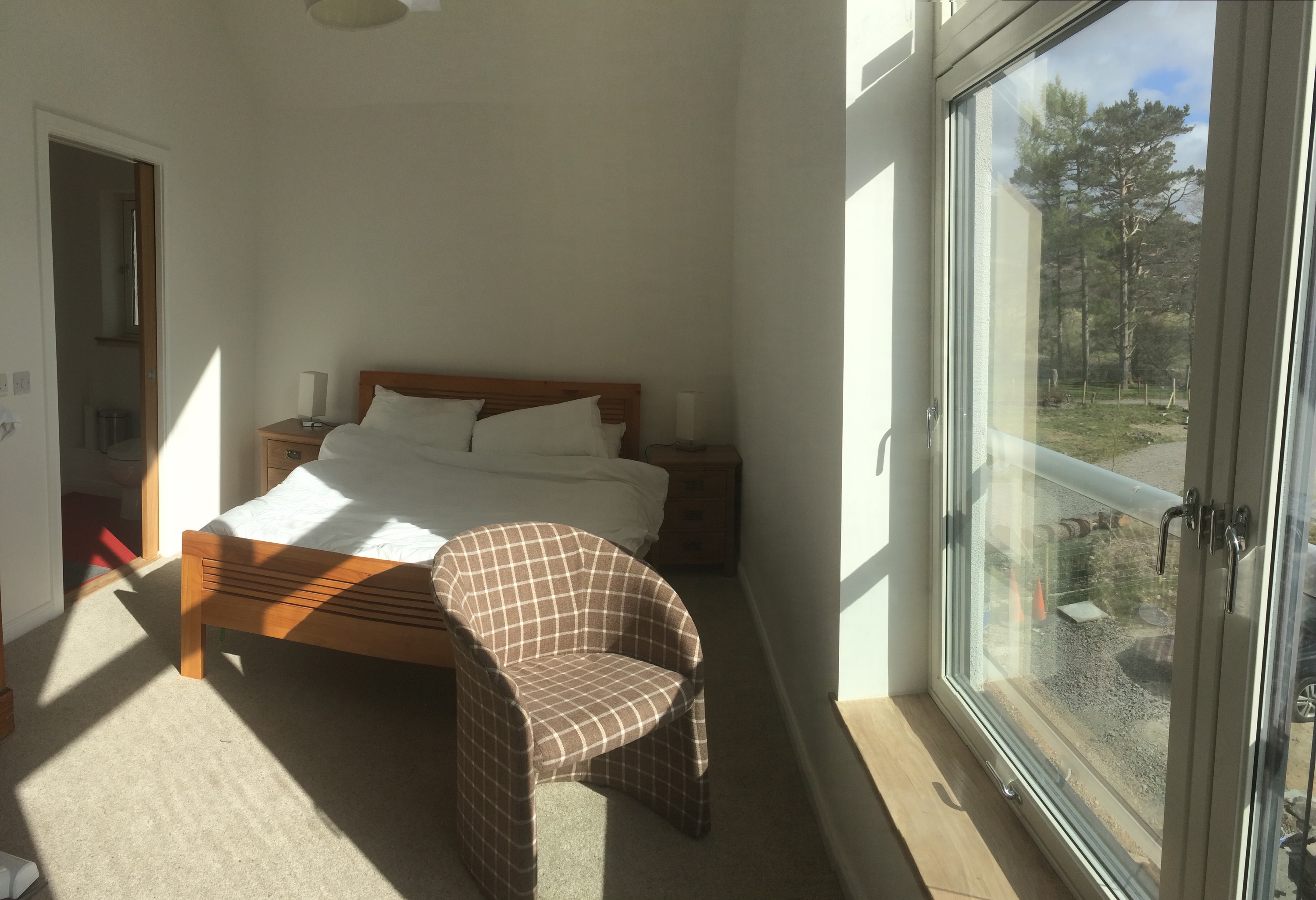
We also have solar panels on the SW and SE facing roofs and large Southwest facing windows for solar gain.    

 So here’s all the boring ol’ figures….

 
Since October, when the heat pump went on, we have used 

3406 units of electricity (EM1) to run the heat pump (it has its own electricity meter). Which cost us 14p a unit, making a total cost £476.84 for the electricity to power the heat pump 


With this energy we generated 8870KWh of heat (HM1).


The equation used to calculate how much we should be paid for the Renewable Heat Incentive is, for some reason,


 HM1*0.97 -EM1 

  
which means, with a RHI of 7.51p/KWh this gives us a payment of £369 for the total period. 

 
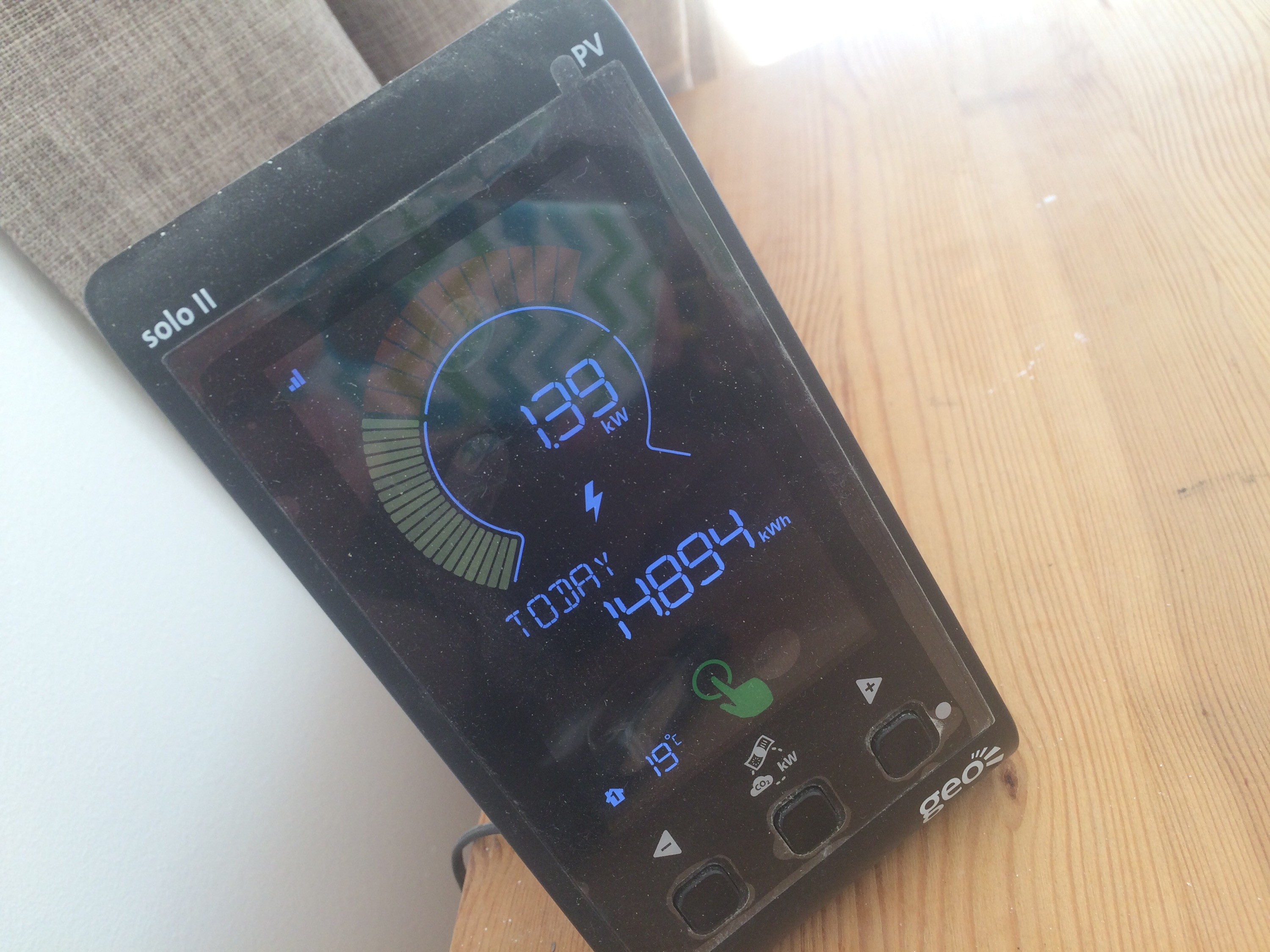
Our solar electricity meter tells me we have produced 817.6KWh since it was commissioned in November. 

Which at 12.8p/KWh (which I think is our payment rate but I’d have to wait for the payment to come through to double check) I think will have brought in £104.65
The electricity company also assume that I export half of what I use and pay a fee of 4.88p/KWh for that. 
This means I should receive £124.60 payment for the electricity I have produced over the winter since November.  


So the total calculation is 

476.84-369-124.60 = negative 16.76 (i.e. A profit of £16.76)


So, if I’m not counting other use of electrical energy in the house, I’m managing to get my heating for free/make a small profit. 

 
However, to complicate matters, some of the electricity made by the solar panels will have been used to power my heat pump (or other electrical appliances in the house like MVHR that are on when the sun is shining), as electricity generated while electricity is in use in the house is used rather than exported, but still receives the payments. 


It’s hard to know how much of the energy I produced has been used but I can calculate a maximum and minimum. As a minimum this is zero and the maximum is that all of the energy I produced was used which means I would have saved buying in 817.6 KWh of electricity saving another £114.5 (at a cost of 14p per unit). 

This means that the cost balance was between £16.76 and £131.26 in my favour. Which strikes me as good, given that it was taken over the winter when heat demand will be at its highest and solar energy will be at its lowest. 


I’m looking forward to looking again at my meters after the summer to see how things stack up then. 


However, the point of building this house was to be all green and smug and eco and, although compromises needed to be made over the process, it’s really the carbon emissions from space and water heating I think I ought to be minimizing. So how do we do in this regard? 


The total electricity use minus that generated by solar is 2588 KWh. The estimate of carbon emissions from electricity is 0.496kg CO2/KWh *

 
Therefore my space and water heating between start October and end April (seven months) has produced 1.3 tonnes of CO2. I’ve been trying to find the datasets to compare this against and I ought to have access to them from all my previous carbon counting efforts. It won’t come as a surprise to you but it seems all my posts but one on travel have been lost, which isn’t very helpful. However from recollection the average house emits 6 tonnes CO2 per year so this seems ok. I’ll update the calculations after the summer. 


Apologies if that was stupendously boring, but my guess is that if you have actually made it to the end of this post, you have an unnatural interest in things related to energy and carbon emissions, so I am hoping you enjoyed it. 


You may also want to point out schoolboy errors I have made in my calculations. Please feel free to use the comments box!


* ref: Energy Saving Trust http://www.energysavingtrust.org.uk/corporate/our-calculations